
 Google Scholar
 GitHub
01
Emotional & Social Intelligence
Human communication is shaped by emotions and social norms. I study how language models perceive, reason about, and respond to these contexts—and develop frameworks to evaluate their behavior.
Ph.D. Student in Computer Science · Northeastern University
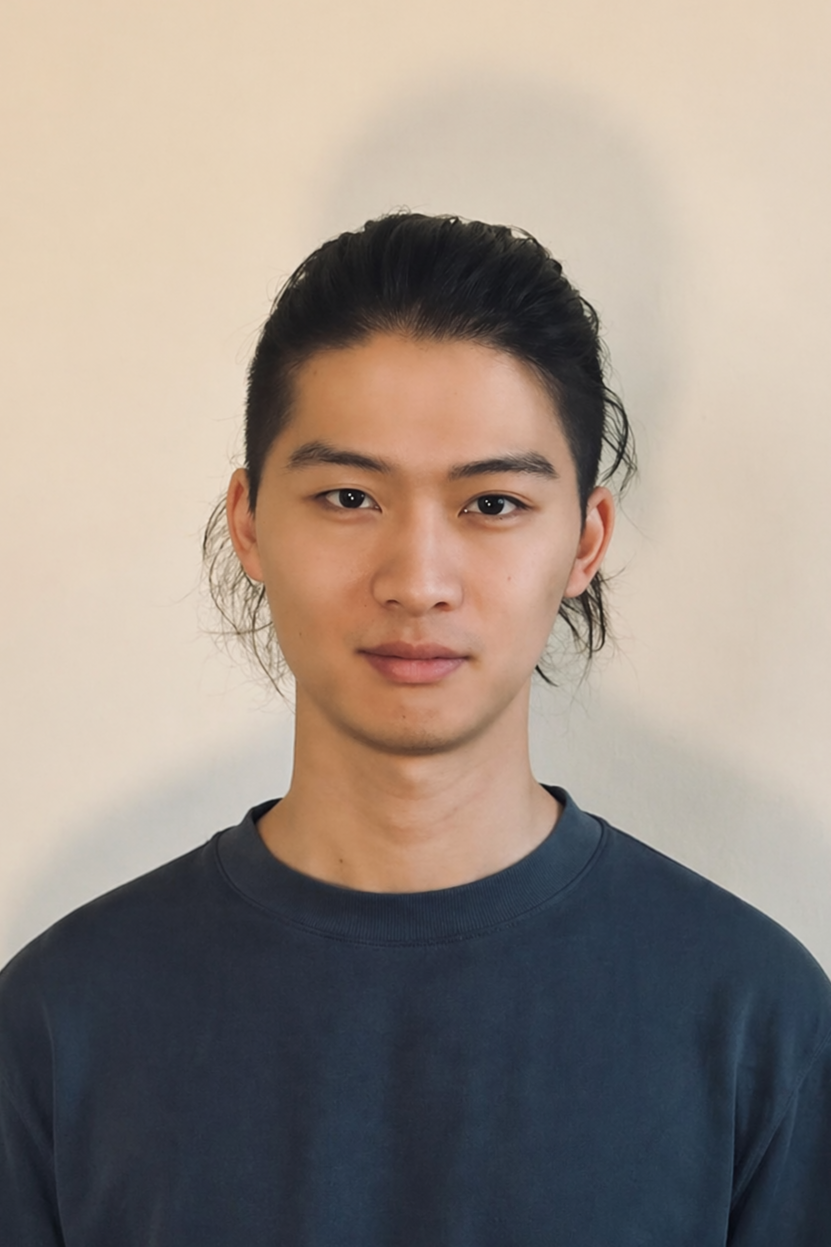
I am a Ph.D. student at Northeastern University’s Khoury College of Computer Sciences and a member of the Computing for Social Good Lab, advised by Professor Mai ElSherief.
My research sits at the intersection of human-centered natural language processing and LLM safety, with a focus on emotional and social intelligence, mechanistic interpretability, and alignment.
Research agenda
01
Human communication is shaped by emotions and social norms. I study how language models perceive, reason about, and respond to these contexts—and develop frameworks to evaluate their behavior.
02
Language models are often treated as black boxes. I investigate the internal mechanisms that give rise to model behavior, with the goal of improving interpretability and reliability.
03
Reliable behavior aligned with human values is critical. I study evaluation and intervention methods that identify failure modes and guide models toward safer behavior.
* indicates equal contribution.
EMNLP 2026
ICWSM 2026Oral
Transactions on Social Computing
NAACL 2025
NAACL 2024Oral
2024–2029 · Expected
Northeastern University
2022–2024
University of Michigan
2021–2024
University of Michigan · Geospatial Data Sciences
2016–2020
Nanjing Normal University
Winter 2025
Teaching Assistant, Northeastern University
Before starting my Ph.D., I worked with Professor David Jurgens at the University of Michigan School of Information and Professor Yuhao Kang at the University of Texas at Austin.
Why Are Some Emotions Harder for LLMs? was accepted to the EMNLP 2026 main conference.
“He gets to be the fun parent” was accepted to ACM Transactions on Social Computing.
I gave an oral presentation of Fluent but Unfeeling at ICWSM 2026 in Los Angeles.
Fluent but Unfeeling was accepted to ICWSM 2026.
Causally Modeling the Linguistic and Social Factors that Predict Email Response was accepted to NAACL 2025.
Started my Ph.D. journey at Northeastern University.
Graduated from the University of Michigan with dual master’s degrees in Information and Environment & Sustainability, specializing in Geospatial Data Sciences.
You don’t need a personality test to know these models are unreliable was accepted to NAACL 2024.